


ORTHOPAEDIC
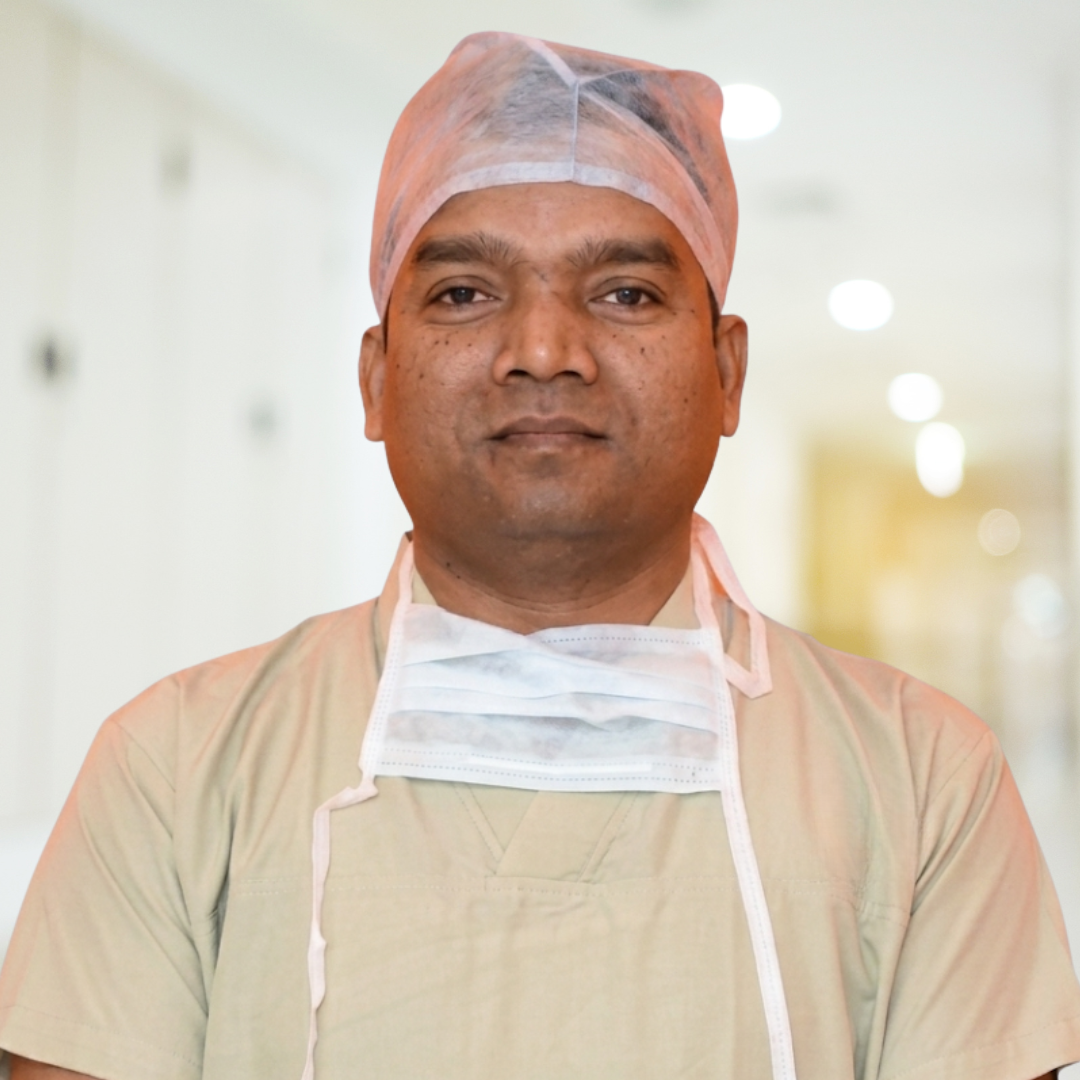
Dr. Tushar Tudu
Department of -
ORTHOPAEDIC
The Department of Orthopaedics at Apollo Clinic Agartala provides comprehensive evaluation and personalised care for conditions affecting the bones, joints, muscles, ligaments, tendons and spine. The department focuses on accurate diagnosis, pain relief, restoration of movement and helping patients return to their normal activities with greater comfort and confidence.
Orthopaedic problems can affect people of all ages and may result from injury, ageing, arthritis, repetitive strain, poor posture, sports activities or underlying bone and joint conditions. Timely assessment can help prevent further damage, reduce pain and improve long-term mobility.
Comprehensive Orthopaedic Assessment
Every patient receives a detailed clinical evaluation based on the location, duration and severity of symptoms. The orthopaedic specialist may assess movement, strength, stability, swelling, tenderness, posture and the impact of the condition on daily activities.
The doctor also reviews the patient’s medical history, previous injuries, existing health conditions and earlier investigation reports. Depending on the symptoms, diagnostic tests such as X-rays, ultrasound, CT scans, MRI or laboratory investigations may be reviewed or advised.
Treatment is planned according to the diagnosis, age, activity level, overall health and individual recovery goals.
Conditions Evaluated and Managed
The Department of Orthopaedics provides consultation and treatment for a wide range of musculoskeletal concerns, including:
- Knee, hip, shoulder and other joint pain
- Arthritis and age-related joint degeneration
- Bone fractures and trauma-related injuries
- Back pain and neck pain
- Sports and exercise-related injuries
- Ligament, tendon and muscle injuries
- Joint swelling, stiffness and reduced mobility
- Osteoporosis and reduced bone strength
- Shoulder, elbow, wrist and hand problems
- Hip, knee, ankle and foot conditions
- Postural and spine-related concerns
- Repetitive-strain and overuse injuries
- Joint replacement evaluation
- Postoperative orthopaedic follow-up
Arthritis and Joint Pain Management
Arthritis can cause pain, swelling, stiffness and reduced movement in one or more joints. It may develop due to age-related wear, inflammation, previous injury or other underlying conditions.
The orthopaedic specialist evaluates the affected joint, severity of symptoms and impact on mobility before recommending treatment. Management may include medication, activity modification, weight management, physiotherapy, exercise guidance, supportive devices or procedural and surgical evaluation when required.
Early care can help reduce discomfort, preserve joint function and maintain independence.
Knee and Hip Care
Knee and hip problems can significantly affect walking, climbing stairs, sitting, standing and performing everyday activities. Pain may result from arthritis, injury, ligament damage, cartilage problems, overuse or age-related degeneration.
The department provides detailed assessment and personalised treatment for knee and hip conditions. Patients with advanced joint damage or persistent symptoms may also receive guidance regarding joint-preserving options and joint replacement evaluation.
Joint Replacement Evaluation
Joint replacement may be considered when severe joint damage causes persistent pain, stiffness and loss of mobility despite appropriate conservative treatment.
The orthopaedic specialist assesses the patient’s symptoms, imaging findings, overall health and functional limitations before determining whether surgery may be suitable. Patients are guided regarding expected outcomes, preparation, rehabilitation and long-term recovery.
Not every patient with joint pain requires surgery. Treatment is recommended only after a thorough clinical evaluation.
Fracture and Trauma Care
Fractures and injuries require timely assessment to ensure proper healing and reduce the risk of complications. The department evaluates suspected fractures, sprains, dislocations and soft-tissue injuries.
Treatment may include immobilisation, medication, supportive devices, rehabilitation guidance or referral for surgical management, depending on the type and severity of the injury.
Patients with severe pain, visible deformity, inability to move a limb, major swelling or loss of sensation should seek prompt medical attention.
Sports and Exercise-Related Injuries
Sports injuries may affect muscles, ligaments, tendons, bones and joints. Common concerns include sprains, strains, ligament injuries, tendon problems, joint instability and overuse injuries.
The department helps identify the extent of injury and develops a treatment plan focused on safe recovery, pain control and return to activity. Rehabilitation and injury-prevention guidance may also be provided.
Back, Neck and Spine-Related Concerns
Back and neck pain may develop due to muscle strain, poor posture, disc problems, arthritis, prolonged sitting, repetitive movement or injury.
The orthopaedic specialist evaluates pain, stiffness, movement limitation and symptoms such as tingling, numbness or radiating discomfort. Treatment may include medication, posture correction, physiotherapy, exercise guidance and referral for further specialised assessment when required.
Sudden weakness, loss of bladder or bowel control, major trauma or severe pain with numbness requires urgent medical evaluation.
Shoulder and Upper-Limb Conditions
Shoulder, elbow, wrist and hand problems can affect lifting, writing, working and other routine activities. Symptoms may result from injury, inflammation, nerve compression, tendon problems or repeated strain.
The department provides evaluation and management for frozen shoulder, tendon injuries, tennis elbow, wrist pain, hand injuries and other upper-limb concerns.
Foot and Ankle Problems
Foot and ankle pain may arise from injury, ligament strain, improper footwear, overuse, arthritis or other structural conditions.
Patients may receive treatment and guidance for ankle sprains, heel pain, foot discomfort, swelling, reduced mobility and other lower-limb conditions. Appropriate footwear, activity modification and rehabilitation may form part of the treatment plan.
Osteoporosis and Bone Health
Osteoporosis causes bones to become weaker and increases the risk of fractures. It may develop with age, menopause, nutritional deficiencies, long-term medicine use or other medical conditions.
The department provides evaluation and guidance for patients at risk of reduced bone strength. Management may include appropriate investigations, medication, calcium and vitamin D guidance, physical activity and fall-prevention measures.
Non-Surgical Orthopaedic Care
Many orthopaedic conditions can be managed without surgery. Depending on the diagnosis, non-surgical treatment may include:
- Medication for pain and inflammation
- Activity and lifestyle modification
- Physiotherapy and rehabilitation
- Strengthening and flexibility exercises
- Posture and ergonomic guidance
- Weight-management recommendations
- Braces, supports or assistive devices
- Selected procedures, when clinically appropriate
The treatment approach is reviewed over time according to the patient’s progress and response.
Rehabilitation and Recovery Support
Rehabilitation plays an important role in restoring strength, balance, flexibility and function after injury, surgery or prolonged joint pain.
The orthopaedic team may coordinate with physiotherapists and other healthcare professionals to support safe recovery. Patients receive guidance regarding exercises, activity progression, precautions and prevention of repeat injury.
Preventive Orthopaedic Care
Good bone and joint health can be supported through regular physical activity, healthy body weight, balanced nutrition, proper posture, safe exercise practices and early attention to persistent pain.
The department helps patients understand how lifestyle, work habits, footwear and physical activity may affect their musculoskeletal health.
When Should You Consult an Orthopaedic Specialist?
An orthopaedic consultation may be advisable for:
- Persistent bone or joint pain
- Swelling, stiffness or reduced movement
- Difficulty walking or climbing stairs
- Back or neck pain that does not improve
- Pain following an injury or fall
- Suspected fracture or dislocation
- Tingling, numbness or weakness in a limb
- Recurrent sports injuries
- Joint deformity or instability
- Pain that interferes with sleep or daily activities
- Evaluation for joint replacement
- Follow-up after orthopaedic surgery
Early assessment can help identify the cause and prevent the condition from becoming more severe.
Patient-Centred Orthopaedic Care
The Department of Orthopaedics at Apollo Clinic Agartala follows a patient-centred and evidence-based approach. The specialist takes time to understand each patient’s concerns, explain the diagnosis and discuss suitable treatment options.
The department is committed to reducing pain, restoring mobility and supporting long-term bone and joint health through personalised medical care, rehabilitation guidance and coordinated treatment.